
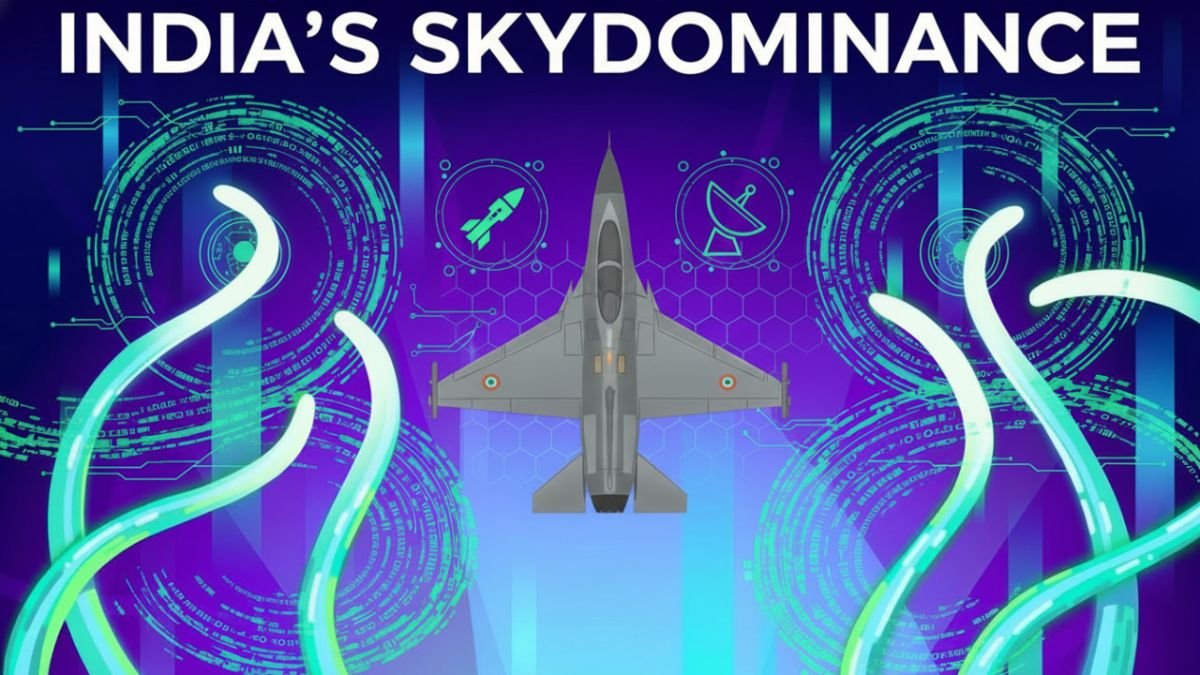
HAL and Tejas Mk1A: India’s defence sector is undergoing a transformation, and Hindustan Aeronautics Limited (HAL) is at the heart of it. With the induction of Tejas Mk1A fighter jets into the Indian Air Force (IAF) and the arrival of GE F404 engines, HAL is turning years of planning into real deliveries. This is not just about aircraft — it’s about military readiness, technology independence, and economic growth through Make-in-India.
HAL: The Backbone of India’s Aerospace Industry
HAL is India’s largest defence manufacturer with responsibilities spanning:
- Aircraft production: Fighters, trainers, and helicopters.
- Engines: Assembly and servicing in collaboration with global firms.
- MRO services: Maintaining India’s existing aircraft fleet.
- Future programs: Working on Tejas Mk2 and AMCA (Advanced Medium Combat Aircraft).
This unique positioning makes HAL a strategic pillar of India’s defence capability.
Recent Developments
The government has unveiled TPCR-2025 (Technology Perspective & Capability Roadmap), which lists 457 defence programmes (versus 221 in TPCR-2018).
Nearly half of TPCR-2025’s programmes (≈224) focus on electronics, cyber, and electronic warfare (EW). There’s a clear shift toward sub-systems and high-technology, software-defined capabilities rather than just platforms.
“Project Sudarshan Chakra” is a strategic plan announced to modernize and layer India’s air-defence systems, including radars, directed-energy weapons (DEW), satellite/higher-altitude surveillance, command-and-control, etc. Cost is estimated at ~₹4 lakh crore by 2035. HAL is among the major expected beneficiaries.
Execution / Production Related Updates
Reports suggest that HAL has received GE F404 engines (including the fourth by end-September) and is expected to deliver the first two Tejas Mk1A aircraft by October (or thereabouts). This marks the shift from “ready in line / trials” to actual delivery to IAF, which triggers revenue recognition and will improve cash flows.
Also, there is talk (market/stock analyst reports) of an additional order for 97 Tejas Mk1A aircraft being finalized, which would scale up HAL’s total Tejas Mk1A order backlog to ~180 aircraft. This increases future revenue visibility significantly.
Tejas Mk1A – India’s Fighter Jet Breakthrough
- Undergoing trials: Weapon testing underway, making a path for IAF induction.
- Engines secured: GE has started supplying F404 engines, removing the biggest production bottleneck.
- Delivery plan: HAL is targeting up to 12 Tejas Mk1A deliveries by 2025-26, with more in the pipeline.
For the IAF, this means faster fleet modernisation and reduced dependence on foreign suppliers.
HAL’s Contribution to Make-in-India
HAL is not just delivering jets; it’s fueling India’s defence industrial ecosystem:
- Indigenous manufacturing: Increasing local content with each batch.
- Employment generation: HAL supports hundreds of Indian MSMEs in its supply chain.
- Export readiness: Countries in Asia and Africa are showing interest in Tejas — potential for defence exports.
- Technology transfer: Collaborations like GE engines give HAL the foundation for future indigenous capability.
Conclusion
HAL’s Tejas Mk1A program is more than a defence project — it’s a symbol of India’s self-reliance and technological rise. With consistent engine supply and regular jet deliveries, HAL is powering both the Indian Air Force and the Make-in-India initiative.
👉 Next Read: Curious about HAL as an investment opportunity? Check our detailed analysis in HAL Stock Outlook 2025 – Should You Buy, Hold, or Sell?
Leave A Comment